Women’s Health Exercise Physiology in Brisbane
Women’s health covers a lot of ground, and it looks different for every woman. Some of it’s straightforward, while some more complicated, harder to talk about, or easy to keep putting off.
Whatever’s going on for you, our Accredited Exercise Physiologists prescribe exercise to suit your body, your health and your goals, in a comfortable, private and supportive setting.
You don’t need a diagnosis to be here. Whether you want to get stronger, protect your long-term health, work through something specific, or recover from something and then keep going, there’s a place for you. We work alongside your GP and other health professionals, so your care joins up.
Strength, movement and lifelong health
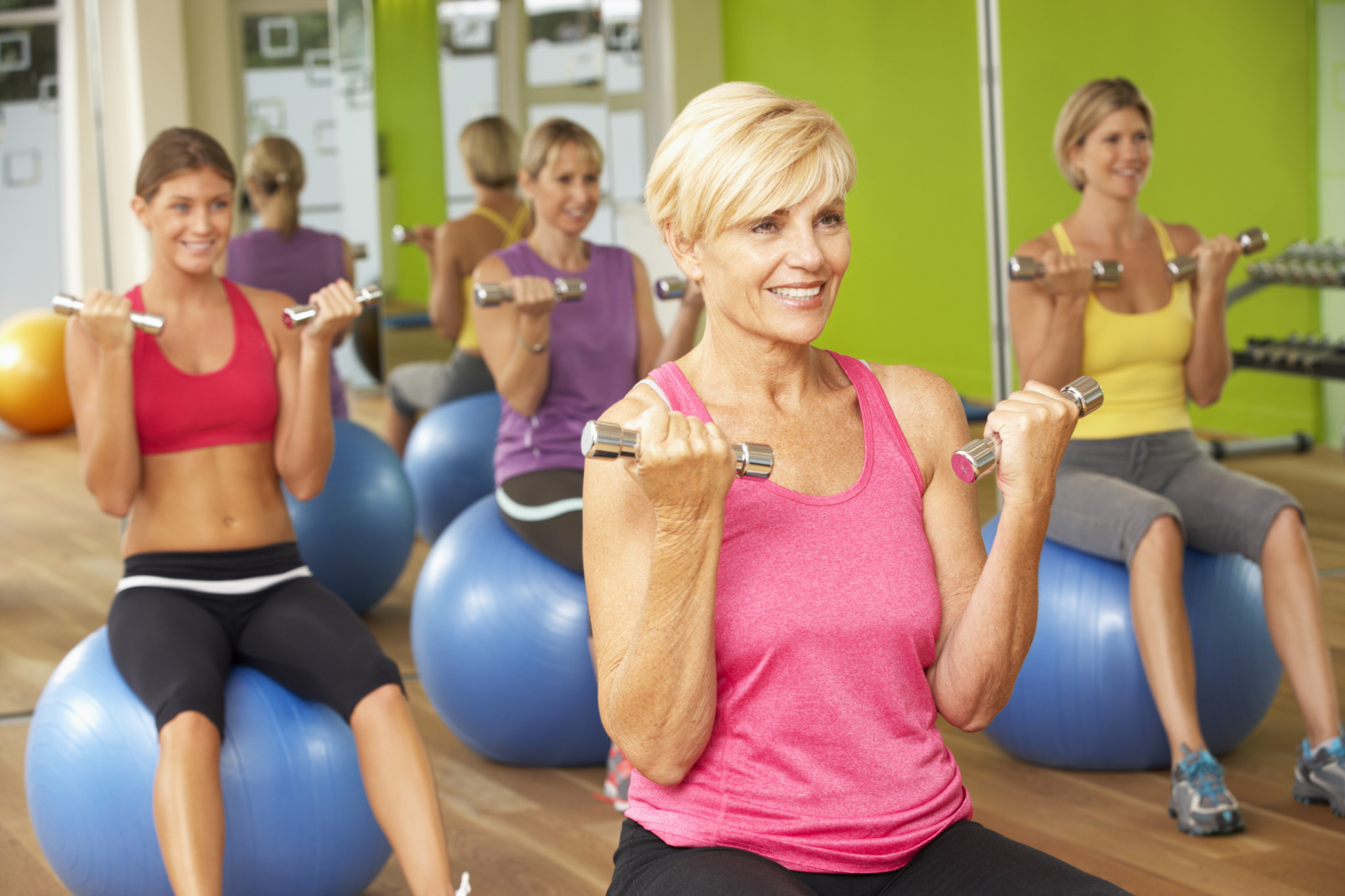
For a lot of women, it’s simpler than any diagnosis. You want to feel strong, move well, and stay that way. Prescribed exercise does exactly that: it builds muscle and bone, looks after your heart, and hands back the energy and confidence that busy years tend to wear down. The strength you bank now is what you’ll draw on for decades to come, which is why the best time to start is before anything’s wrong. And if you’d rather not do it alone, ask us about our women’s strength sessions.
August 2026: Please note, our Women’s Strength Group Classes have very limited availability at our Toowong Clinic and Sherwood Clinic. Please enquire prior to booking your assessment to discuss service options.
Pelvic health: incontinence, prolapse and pelvic pain
These are some of the most common things we see, and often the hardest to say out loud. They shouldn’t be, and they don’t have to be permanent. Almost 4 in 10 Australian women experience incontinence, with many noticing changes after childbirth or around menopause. Pelvic floor muscle training is the recommended first-line treatment for urinary incontinence. Research suggests that women with stress incontinence who undertook prescribed pelvic floor training are far more likely to report they were cured or improved, than those who didn’t.
Prolapse and pelvic pain need individual assessment, because the right approach depends on your symptoms, your pelvic floor function, and what’s driving them. The right exercise, prescribed and supervised, helps you stay strong and active while supporting the structures that need it, and the wrong exercise can make some issues worse. That’s why assessment comes first, and why we work alongside women’s health physiotherapists, who provide internal pelvic floor assessment where it’s needed, while we safely deliver your exercise program.
PCOS (now PMOS), endometriosis and fertility
Polycystic ovary syndrome (PCOS) was officially renamed Polyendocrine Metabolic Ovarian Syndrome (PMOS) in May 2026 following a 14-year global consensus process. The updated name aims to reduce stigma, correct the misconception about ovarian “cysts,” and better reflect the whole-body endocrine and metabolic nature of the condition. Polyendocrine Metabolic Ovarian Syndrome affects how your body handles insulin, and exercise is recommended as part of first-line management. It improves your metabolic health and body composition, and because working muscles draw on glucose and respond better to insulin, it helps with the insulin resistance that affects many people with PMOS.
With endometriosis, exercise isn’t a treatment for the condition itself, but the right program can help you manage the pain, fatigue and toll a chronic condition takes, working around your flare days and building on the better days. Queensland women living with endometriosis can also find support and information through QENDO.

For women working on fertility, exercise supports the foundations: body composition and general health, alongside whatever care you’re receiving.
Through pregnancy and early parenthood
Pregnancy and the months after it ask a lot of your body, and the right exercise is one of the best ways to meet the demand, with adjustments made for where you are.
For most women, staying active through pregnancy is safe and recommended. It supports your strength, energy, mood and sleep, eases the aches that come as your body changes, and helps you prepare for birth and recovery. The Australian guidelines recommend 2.5 – 5 hours of moderate activity a week, muscle strengthening on at least two days, and daily pelvic floor exercises, with adjustments we manage for you: no exercise flat on your back after 28 weeks, no contact or falls-risk activities, keeping cool, and knowing the warning signs to stop. If you’ve been diagnosed with gestational diabetes, exercise is part of the treatment: working muscles draw glucose from your blood, which helps manage your levels alongside the plan your medical team sets.
The return to exercise after birth isn’t picking up where you left off, and it shouldn’t be rushed or guessed. Light activity can often resume gently once you’re comfortable, but readiness for strengthening, impact and running is individual, and a six-week check is a starting point, not an automatic green light. We assess where you are, protect what’s healing, and build you back in stages, watching how your body, and especially your pelvic floor, is coping. It’s worth getting checked if exercise brings on heaviness, leakage, pain, increased bleeding or dizziness. The goal is to get you back to what you want to do, whether that’s running, lifting or keeping up with a toddler.
Menopause and bone strength
Around menopause, falling oestrogen speeds up bone loss. The average woman loses up to 10% of her bone mass in the first five years after menopause, and it’s part of why 1.2 million Australians are estimated to have osteoporosis, with a further 6.3 million living with low bone density. Muscle mass and strength decline faster through this stage too.
Exercise does some of its most valuable work here, because the right training can strengthen bone, not only slow its loss. It takes real, progressive load to do that, which is the opposite of the gentle, go-easy advice women are so often given. In one Australian trial, women who trained this way gained bone density in their spine, while a control group lost theirs, and it was safe as long as it was properly supervised. The load has to be heavy enough to make a difference, which is why this kind of training is prescribed and coached, not something to try on your own. And it isn’t a lone result: progressive resistance and weight-bearing exercise for bone is backed by current Australian osteoporosis guidance.
Exercise does more than protect bone. It has good evidence for muscle and body composition, heart health, and likely for sleep and mood through menopause. Its effect on hot flushes specifically is less certain, so we focus on the gains it reliably delivers: a stronger, more capable body through the transition and beyond.
Living with a chronic condition
Women live with the full range of chronic conditions exercise physiology helps with: heart disease, diabetes, autoimmune conditions, chronic pain, sometimes showing up differently than they do in men. Prescribed exercise is central to managing all of them, at any age. And if the thing you’re carrying isn’t named anywhere on this page, ask us anyway. We can usually help, and when we’re not the right fit, we’ll tell you who is.
Why individually prescribed exercise matters here
The thread through all of this: generic advice isn’t just too blunt, it can be the wrong advice for your body. Your history, your hormones, your pelvic floor, your bone density and what you’re aiming for all shape what should be prescribed, and what shouldn’t.
An Accredited Exercise Physiologist (AEP) is a university-qualified allied health professional, accredited through Exercise and Sports Science Australia (ESSA), who prescribes exercise as clinical treatment for people with health conditions. For women’s health, your AEP will take a full history and understand your health, your symptoms and your goals, assess readiness before adding load or impact, prescribe and progress the right exercise for your body, and work alongside your GP and, where it’s the right care, a women’s health physiotherapist.
Exercise is medicine, prescribed for you.
Getting started
Whatever your age or starting point, condition or no condition, you’re welcome here. We start by getting to know you and what you want to be able to do, then build from there, at our Toowong and Sherwood clinics or by telehealth.
BodyTrack’s exercise programs are evidence-based and tailored to each individual. Chronic health conditions may be eligible for referral under Medicare’s GP Chronic Condition Management Plan, and private health fund eligibility may apply.
Ready to start? You can Book Online, Send a Message or Call Us.
Frequently asked questions
Do I need a health condition to see a women’s health exercise physiologist?
No. Many women come simply to get stronger, protect their bone and heart health, or feel better in their body, with no condition at all. Others come to manage something specific. Either way, you get a program built around you, and you can progress from managing an issue to building your fitness once you’re ready.
Is it safe to exercise during pregnancy?
For most women, yes, and it’s recommended. Australian guidelines suggest two and a half to five hours of moderate activity a week plus strength work, with adjustments like avoiding exercise flat on your back after 28 weeks and skipping contact or falls-risk activities. An Accredited Exercise Physiologist prescribes what’s right for your pregnancy and manages the adjustments for you.
When can I start exercising again after having a baby?
A gradual return is generally considered safe after your six-week postnatal check, but the right timing is individual. The evidence supports a staged progression: recovery and pelvic floor work first, then low-impact strength, then a graded return to running and impact once your body is ready. We assess each stage rather than guessing.
Can incontinence really be improved with exercise?
Yes. Pelvic floor muscle training is the recommended first-line treatment for urinary incontinence, and women with stress incontinence who did prescribed training were far more likely to report they were cured or improved in the Cochrane review. The key is the right diagnosis and doing the right exercises, correctly, at the right dose.
What’s the best exercise for menopause?
Resistance training and weight-bearing impact exercise do the most valuable work: they protect bone density, maintain muscle, and support heart health, sleep and mood. Australian research showed supervised high-intensity resistance training improved bone density in postmenopausal women safely. It needs proper supervision, which is exactly what an exercise physiologist provides.
Does exercise help with PCOS (now PMOS)?
Yes. Exercise is recommended as part of first-line management for PMOS: it improves your metabolic health and body composition, and it helps with the insulin resistance that sits at the centre of the condition. An individually prescribed program is what makes it sustainable.
Sources
- Australian Government, physical activity guidelines for pregnancy: weekly targets, pelvic floor exercise, and the adjustments through pregnancy
- RANZCOG: Exercise during pregnancy (C-Obs 62): aerobic and strength exercise in uncomplicated pregnancy
- Continence Health Australia: how many Australian women experience incontinence
- Dumoulin et al., Cochrane review, 2018: pelvic floor muscle training as first-line treatment for stress urinary incontinence
- Christopher et al., British Journal of Sports Medicine, 2024: staged, criteria-based return to running after childbirth
- Healthy Bones Australia: bone density after menopause
- Watson et al., LIFTMOR trial, Journal of Bone and Mineral Research, 2018: supervised high-intensity resistance training and bone density in postmenopausal women
- Jean Hailes for Women’s Health: sleep and mood through menopause